
Glass accessories, whether for your home, office, or outdoor spaces, add elegance and functionality. From glass railings, balustrades, and doors to decorative glass panels, they are both stylish and practical.
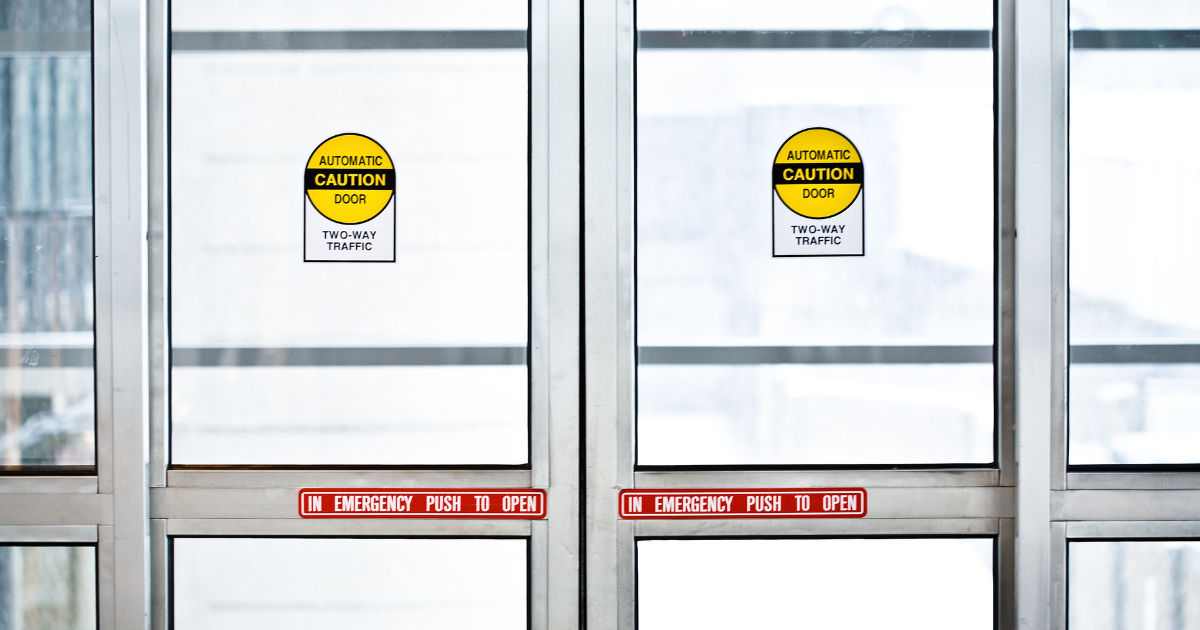
However, exposure to weather conditions such as rain, sun, and wind can deteriorate their appearance and structural integrity over time. This is why it is essential to invest in weatherproof fittings and adopt techniques to protect your glass accessories.
This guide will explore practical steps, tools, and materials you can use to weatherproof your glass accessories effectively. By following these methods and using products from akbari glass you can extend the life of your glass installations and maintain their aesthetic appeal.
the Need for Weatherproofing
Glass is inherently durable but is vulnerable to environmental factors. Rainwater, dust, UV rays, and temperature fluctuations can cause scratches, stains, and even weakening of glass over time. Metal components and frames that hold glass panels can corrode if not properly protected.
Investing in weatherproof fittings not only protects glass but also ensures safety. These fittings prevent loosening, sagging, or cracking of glass panels during extreme weather conditions. Understanding this need is the first step toward effective maintenance.
Types of Glass Accessories That Require Weatherproofing
Not all glass items require the same level of protection. Here are common types that benefit from weatherproofing:
Glass Doors and Windows
Exterior doors and large glass windows are directly exposed to rain, wind, and sunlight. Weatherproofing prevents leaks, drafts, and frame corrosion.
Glass Balustrades and Railings
Balustrades in outdoor terraces, balconies, and staircases need sturdy fittings that resist rust and movement caused by wind or pressure.
Decorative Glass Panels
Glass panels used in facades, fences, or as decorative features require coatings to resist UV damage and water stains.
Glass Furniture
Tables, display cabinets, or glass shelves in semi-outdoor areas benefit from protective seals to avoid water damage and scratches.
Choosing the Right Weatherproof Fittings
The term weatherproof fittings refers to hardware specifically designed to withstand outdoor and harsh conditions. Choosing the right fittings is critical for longevity and safety.
Material Selection
-
Stainless Steel: Resistant to rust and corrosion, ideal for outdoor railings and doors.
-
Aluminum: Lightweight, rust-resistant, and ideal for decorative frames.
-
Brass or Bronze: Offers aesthetic appeal and reasonable resistance to weathering.
Types of Weatherproof Fittings
-
Hinges and Handles: Look for rustproof coatings and durable materials for glass doors.
-
Clamps and Brackets: Essential for glass railings, they should have corrosion-resistant finishes.
-
Seals and Gaskets: Rubber or silicone seals prevent water seepage and maintain airtight protection.
Installation Tips
Proper installation is as important as material selection. Ensure that all fittings are tightly secured, and any gaps are sealed to prevent water penetration.
Cleaning and Maintenance for Longevity
Regular maintenance ensures your weatherproofed glass accessories last longer and retain their shine.
Cleaning the Glass
-
Use a mild, non-abrasive cleaner to remove dirt and grime.
-
Avoid harsh chemicals that can damage protective coatings.
-
Rinse thoroughly and dry with a soft cloth to prevent water spots.
Cleaning the Fittings
-
Inspect metal fittings for signs of corrosion.
-
Wipe them with a damp cloth and apply a protective coating if needed.
-
Lubricate moving parts like hinges with weather-resistant lubricants.
Preventing Stains and Damage
-
Remove debris such as leaves, dirt, or salt deposits promptly.
-
Use protective covers if glass panels are not in constant use.
Applying Protective Coatings
Protective coatings are a key aspect of weatherproofing. They create a barrier against moisture, UV rays, and dirt accumulation.
Types of Coatings
-
Water Repellent Coatings: Prevent water spots and reduce staining.
-
UV Protective Films: Protect glass from sun damage and fading.
-
Anti-Scratch Coatings: Essential for glass furniture or frequently used panels.
Application Process
-
Clean the glass thoroughly before applying any coating.
-
Apply the coating evenly, following the manufacturer’s instructions.
-
Allow adequate drying time and avoid contact until fully cured.
Sealing Gaps and Joints
Gaps around glass panels and frames can allow water and air to seep through, compromising the accessory’s durability.
Using Silicone Sealants
-
High-quality silicone sealants are flexible and weather-resistant.
-
Apply evenly along joints and edges.
-
Smooth the sealant with a spatula or finger dipped in soapy water.
Weatherstripping
-
For glass doors and windows, weatherstripping helps block drafts and moisture.
-
Use self-adhesive weatherstrips for easy installation.
Regular Inspections
Weatherproofing is not a one-time task. Regular inspections help identify potential problems before they escalate.
Check for Loose Fittings
-
Periodically check clamps, screws, and brackets.
-
Tighten any loose fittings to maintain stability.
Look for Corrosion
-
Inspect metal parts for rust or discoloration.
-
Treat minor corrosion early to prevent spreading.
Examine Glass Panels
-
Look for cracks, chips, or scratches.
-
Replace or repair damaged panels promptly to avoid accidents.
Seasonal Considerations
Different seasons pose unique challenges to glass accessories. Preparing in advance helps maintain their condition year-round.
Winter Protection
-
Use protective covers for outdoor glass panels.
-
Ensure seals and weatherstripping are intact to prevent drafts.
Summer Protection
-
Apply UV protective coatings to reduce fading.
-
Clean frequently to remove dust and pollen accumulation.
Rainy Season
-
Check that water drains properly and does not accumulate around fittings.
-
Inspect seals and reapply silicone where needed.
Common Mistakes to Avoid
Even with weatherproof fittings, mistakes in maintenance can reduce effectiveness.
-
Ignoring Cleaning: Dirt and grime can cause scratches and corrosion over time.
-
Using Harsh Chemicals: Avoid bleach or abrasive cleaners on glass and metal fittings.
-
Neglecting Inspections: Regular checks prevent small problems from becoming expensive repairs.
-
Improper Installation: Poorly fitted hardware can fail during strong winds or heavy rain.
Cost vs. Value of Weatherproofing
Investing in weatherproof fittings and protective measures may seem costly initially, but the long-term benefits outweigh the expenses.
-
Reduces replacement costs for damaged glass panels.
-
Prevents structural failures in railings, doors, or furniture.
-
Maintains aesthetic appeal, increasing property value.
DIY vs. Professional Weatherproofing
While some weatherproofing tasks are DIY-friendly, others require professional expertise.
DIY Tasks
-
Cleaning glass and fittings regularly.
-
Applying water-repellent coatings or sealants.
-
Installing weatherstrips.
Professional Tasks
-
Installing heavy-duty glass panels or balustrades.
-
Applying advanced protective coatings.
-
Repairing structural damages in glass fittings.
Conclusion
Weatherproofing your glass accessories is essential for durability, safety, and aesthetics. Using high-quality weatherproof fittings, combined with regular cleaning, sealing, and protective coatings, ensures your glass installations withstand harsh weather conditions while maintaining their elegance. Regular inspections and timely maintenance prevent minor issues from escalating into costly repairs.
By following the methods outlined in this guide, you can enjoy the beauty and functionality of your glass accessories for years to come. Weatherproofing is not just a preventive measure—it is an investment in quality, safety, and long-term satisfaction.