
When searching for travel options, you might have typed “private flights near me” into your phone or computer, wondering if this is a reliable and safe way to travel.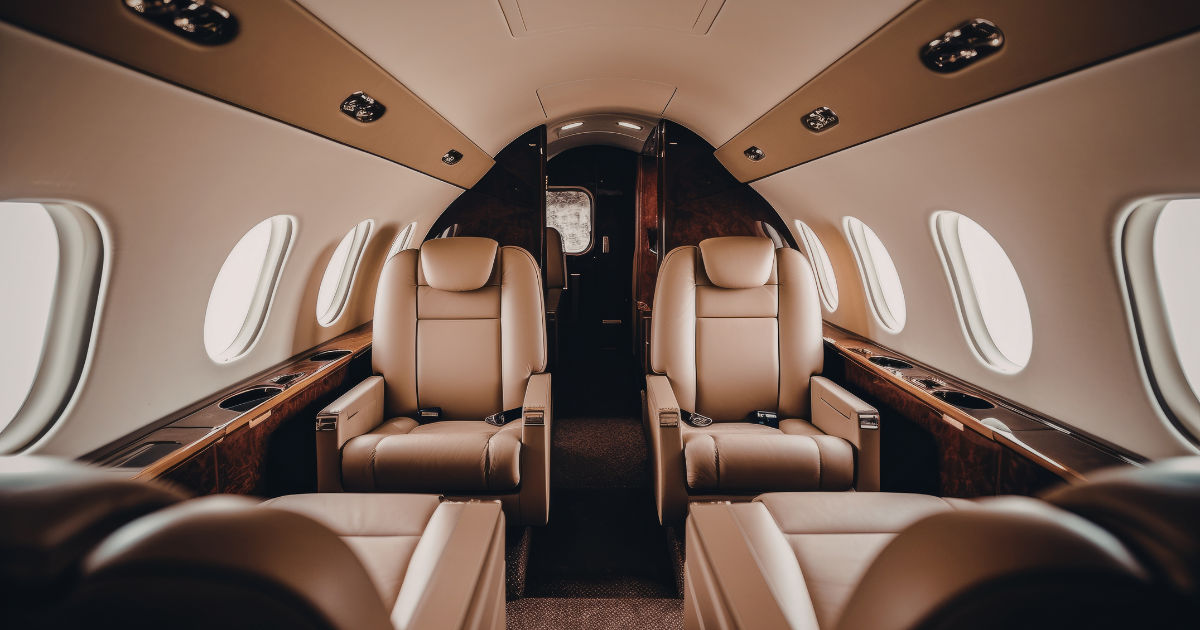
Private flights have become increasingly popular for business travelers, families, and those seeking comfort, convenience, and flexibility.
But before booking your next journey, it’s important to understand the safety measures, regulations, and factors that make private flights secure. This comprehensive guide explores everything you need to know to make an informed decisionprivate flight charter.
What Are Private Flights?
Private flights are air travel options where individuals or groups charter an aircraft exclusively for themselves. Unlike commercial airlines, private flights operate on flexible schedules, often avoiding the crowded terminals and strict schedules of public flights. They range from small propeller planes to luxurious jets with state-of-the-art facilities.
Searching for “private flights near me” helps you locate local operators and charter companies that provide these services. The convenience of private flights comes with high expectations for safety, and the industry has specific standards to ensure passengers’ well-being.
Why People Choose Private Flights
There are several reasons travelers prefer private flights over commercial airlines:
-
Flexibility: You choose the departure time, destination, and even the route in some cases.
-
Privacy: Ideal for business meetings, family trips, or high-profile individuals who value discretion.
-
Comfort: Private jets often have more spacious cabins, luxurious seating, and customized amenities.
-
Reduced Travel Time: Many private flights can land at smaller airports, avoiding long lines and layovers.
While these benefits are appealing, the main concern for many is safety. Let’s dive into the factors that make private flights secure.
Safety Regulations for Private Flights
Private aviation is regulated to ensure safety standards similar to those of commercial airlines. The following are key regulatory aspects:
Licensing and Certification
Pilots operating private flights must have the necessary certifications and experience. In the U.S., the Federal Aviation Administration (FAA) regulates pilot licensing and aircraft operations. Licensed pilots must:
-
Complete rigorous training
-
Log a minimum number of flight hours
-
Pass written and practical exams
-
Maintain ongoing proficiency through recurrent training
Similarly, private aircraft must meet strict maintenance and airworthiness standards.
Aircraft Maintenance
Private flights rely on meticulously maintained aircraft. Safety is ensured through regular inspections, servicing, and adherence to manufacturer guidelines. These inspections cover engines, avionics, flight controls, and emergency systems. Any deviation from maintenance standards can result in grounding the aircraft until issues are resolved.
Operational Safety
Operators of private flights implement operational safety procedures similar to commercial airlines. These include:
-
Pre-flight checks by pilots and crew
-
Weather assessments
-
Compliance with air traffic control instructions
-
Emergency preparedness drills
These measures are designed to minimize risks during flight and ensure passenger safety.
Common Safety Concerns with Private Flights
Even though private flights are generally safe, travelers may have specific concerns:
Pilot Experience
Some worry about the experience of pilots flying private jets. In reality, most private pilots have thousands of flight hours and are highly trained. Reputable charter companies carefully vet pilots before assigning them to flights.
Aircraft Type
Smaller planes, such as light jets or propeller aircraft, are more affected by weather conditions. It’s important to choose aircraft appropriate for your flight distance and weather patterns. Discussing options with your operator can ensure the safest choice.
Weather Conditions
Private flights have more flexibility in avoiding adverse weather compared to commercial airlines. Pilots can delay departures, reroute, or land at alternate airports. This proactive approach enhances passenger safety.
Emergency Response
Private flights carry safety equipment like oxygen masks, life vests, and fire extinguishers. Additionally, pilots are trained in emergency procedures to handle situations such as engine failure or sudden weather changes.
Comparing Private Flights and Commercial Airlines
Many travelers wonder how private flights measure up to commercial airlines in terms of safety. Here are some comparisons:
-
Pilot Attention: Private pilots usually focus on fewer passengers, allowing more personalized attention.
-
Maintenance Standards: Both private and commercial aircraft undergo strict inspections, but private operators may have more flexibility for immediate maintenance if issues arise.
-
Airport Operations: Private flights often use smaller airports with less congestion, reducing the risk of runway accidents or delays.
-
Security Screening: While private flights may have less rigorous security screenings, pilots and staff are trained to prevent unauthorized access and ensure safety.
Overall, private flights provide a comparable safety level, with some advantages in flexibility and personalized care.
How to Find Safe Private Flights Near Me
If you’re searching for “private flights near me,” follow these tips to ensure you select a reputable operator:
Research the Operator
-
Check company reviews and ratings online
-
Confirm certifications with regulatory bodies like the FAA
-
Ask about pilot experience and flight history
Inspect the Aircraft
-
Request information on maintenance records
-
Ensure aircraft type is suitable for your travel needs
-
Verify safety features and emergency equipment
Review Safety Procedures
-
Ask about weather contingency plans
-
Confirm emergency protocols and crew training
-
Check insurance coverage for passengers
Ask for References
Reputable companies often provide references or testimonials from previous clients. This can help you gauge reliability and safety standards.
Tips for First-Time Private Flight Travelers
Traveling on a private flight for the first time can be exciting and a little intimidating. Here are tips to make your experience safe and comfortable:
Arrive Early
Even though private flights reduce wait times, arriving early ensures you can complete any paperwork, safety briefings, or luggage checks without rushing.
Listen to Safety Briefings
Pilots or crew provide instructions on emergency exits, seat belts, and safety equipment. Pay attention, even if you feel confident.
Follow Crew Instructions
Unlike commercial flights, private flight crews may offer more personalized service but still require compliance with safety rules. Follow all instructions carefully.
Check Travel Insurance
Private flight travel insurance may cover flight cancellations, medical emergencies, and other unforeseen events. It adds an extra layer of protection for peace of mind.
Safety Record of Private Flights
Statistically, private flights are safe. While minor incidents can occur, the overall accident rate for private aviation is low. Factors contributing to this safety record include:
-
Experienced pilots
-
Regular aircraft maintenance
-
Stringent regulatory compliance
-
Advanced technology for navigation and communication
Travelers should still exercise caution by choosing reputable operators and following safety protocols.
Technological Advances Enhancing Safety
Modern private jets come equipped with advanced technology that improves safety:
GPS and Navigation Systems
High-precision GPS allows pilots to navigate safely even in challenging weather conditions or unfamiliar areas.
Collision Avoidance Systems
Many private aircraft feature Traffic Collision Avoidance Systems (TCAS) to alert pilots of potential mid-air collisions.
Weather Radar
Onboard weather radar helps pilots detect storms, turbulence, or dangerous conditions in real-time.
Advanced Cockpit Automation
Modern private jets include autopilot features, automatic landing systems, and real-time monitoring to reduce human error.
Common Misconceptions About Private Flight Safety
There are myths that private flights are less safe than commercial airlines. Let’s debunk a few:
-
Myth: Private pilots are less experienced.
Fact: Pilots are highly trained, and many have commercial aviation experience. -
Myth: Private jets are poorly maintained.
Fact: Maintenance standards are strict and often exceed those of commercial airlines. -
Myth: Smaller aircraft are unsafe.
Fact: Properly maintained small jets are safe for most short- and medium-distance flights.
Understanding the facts can help reduce anxiety and encourage confident travel decisions.
Emergency Preparedness in Private Flights
Emergency preparedness is a critical aspect of flight safety:
Pilot Training
Pilots receive regular training in handling emergencies, including engine failure, medical emergencies, and unexpected weather.
Aircraft Safety Features
All private aircraft carry essential safety equipment, such as:
-
Life vests and rafts for water landings
-
Oxygen masks for cabin depressurization
-
Fire extinguishers and first-aid kits
Communication Systems
Private jets are equipped with advanced communication systems to contact air traffic control, emergency services, and company operations teams.
Safety Tips While Booking Private Flights
When booking your flight, consider these tips:
-
Verify Credentials: Ensure the charter company is licensed and insured.
-
Ask About Pilot Hours: Experienced pilots improve overall safety.
-
Review Aircraft Condition: Request recent maintenance records and safety certifications.
-
Check Weather Policies: Confirm the company has protocols to delay or reroute flights if needed.
These precautions can help guarantee a safe and smooth journey.
The Future of Private Flight Safety
Private aviation continues to evolve, with new safety technologies emerging:
-
Electric and hybrid aircraft: Quieter, efficient, and designed with advanced safety features.
-
Autonomous systems: AI-assisted autopilot for safer navigation.
-
Enhanced training simulators: Allow pilots to practice emergency scenarios safely.
As the industry grows, passengers can expect even higher safety standards and better travel experiences.
Conclusion
Searching for “private flights near me” opens up a world of convenient and luxurious travel options. Safety is a top priority in private aviation, and when you choose reputable operators, the experience is highly secure. From pilot training and aircraft maintenance to technological advancements and emergency preparedness, private flights offer a safe alternative to commercial airlines while providing flexibility and comfort.
By researching operators, understanding safety protocols, and following crew instructions, travelers can confidently enjoy the benefits of private flights. The next time you consider a private flight, remember that safety, convenience, and luxury can go hand in hand.