
When parents choose swimwear for their children, sun protection is often just as important as comfort, fit, and appearance. Spending time at the beach, swimming pool, or outdoors means children can be exposed to ultraviolet (UV) radiation for long periods. Because young skin is sensitive, many parents look for clothing that provides an extra layer of protection from the sun. 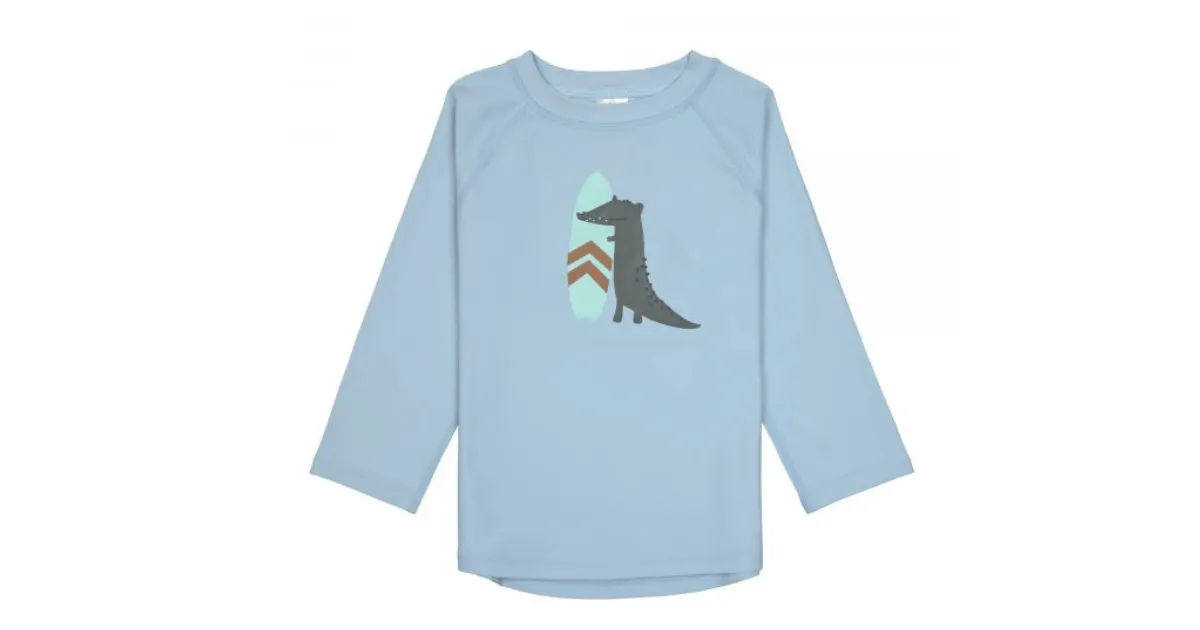
But does Lassig swimwear actually protect children from harmful UV rays? The short answer is yes, many LÄSSIG swimwear products are designed with UV protection, including high ultraviolet protection factor (UPF) ratings. However, understanding how this protection works is important. UV-protective swimwear does not mean that every part of a child's body is completely protected from the sun. Areas not covered by fabric still need sunscreen and other forms of sun protection.
In this comprehensive guide, we will look at how UV-protective swimwear works, what UPF means, how Lassig swimwear helps protect children's skin, why fabric and coverage matter, and how parents can combine swimwear with other sun-safety habits. We will also discuss what to look for when buying UV-protective swim clothing and how to use it effectively during outdoor activities.
What Are UV Rays and Why Do They Matter?
Ultraviolet radiation is a form of energy produced by the sun. Although sunlight is important for life and helps the body produce vitamin D, too much exposure to UV radiation can damage the skin.
There are different types of ultraviolet radiation, but UVA and UVB are the two types most commonly discussed in relation to sun exposure.
UVA rays can penetrate deeper into the skin. Long-term exposure is associated with premature skin aging and other forms of skin damage.
UVB rays are more strongly associated with sunburn. They can cause significant damage to the outer layers of the skin and contribute to the development of skin cancer.
Children can be particularly vulnerable to sun exposure because they may spend long periods playing outdoors without realizing how much sunlight they are receiving. They may also spend hours in environments where sunlight reflects off water, sand, or other surfaces.
This is why parents often use several layers of protection. These can include shade, sunscreen, hats, sunglasses, and protective clothing.
UV-protective swimwear is especially useful because it provides physical coverage while children are swimming or playing near water.
How Does UV-Protective Swimwear Work?
UV-protective clothing works by reducing the amount of ultraviolet radiation that reaches the skin underneath the fabric.
Ordinary clothing can provide some degree of protection from sunlight, but the level varies considerably. The thickness, color, weave, material, and condition of the fabric can all influence how much UV radiation passes through.
UV-protective swimwear is specifically designed to provide a more reliable level of protection.
Some manufacturers use tightly woven fabrics that naturally block UV radiation. Others use specially engineered materials or treatments to increase the fabric's ability to filter UV rays.
The result is clothing that acts as a physical barrier between the sun and the skin.
This is particularly valuable during swimming because traditional sunscreen can become less effective after swimming, sweating, or towel drying. Protective swimwear stays on the body and continues to provide coverage as long as the fabric remains in place.
However, it is important to remember that UV-protective clothing only protects the skin it covers. A child's face, hands, neck, legs, and other exposed areas may still receive UV radiation.
For this reason, protective swimwear should be considered one part of a complete sun-safety routine rather than a complete replacement for sunscreen.
Does Lassig Swimwear Offer UV Protection?
Yes, many Lassig swimwear products are specifically designed to provide UV protection. The brand offers a range of children's swim clothing designed for activities such as swimming, beach trips, holidays, and outdoor water play.
Many of its UV-protective products are made with high UPF ratings. Depending on the specific product, this can include UPF 50+ protection.
UPF stands for Ultraviolet Protection Factor. It is a measurement used to describe how effectively fabric blocks ultraviolet radiation from reaching the skin.
A product with a high UPF rating can significantly reduce the amount of UV radiation that reaches covered skin.
When choosing Lassig swimwear, however, parents should always check the individual product description and care instructions. Different garments may have different designs, coverage levels, and technical specifications.
It is better to evaluate the exact product rather than assume that every item in a brand's wider collection provides identical protection.
What Does UPF 50+ Mean?
UPF 50+ is one of the highest commonly used ratings for sun-protective clothing.
To understand this more easily, think of UPF as a measure of how much UV radiation is filtered by the fabric.
A garment rated UPF 50 allows only a small fraction of UV radiation to pass through the fabric compared with unprotected skin.
The "+" symbol indicates that the protection meets or exceeds the stated UPF 50 level.
This makes high-UPF swimwear especially useful for children who spend considerable time outdoors.
However, UPF ratings apply to the fabric itself and the areas covered by that fabric. The rating does not mean that the entire child is protected from the sun.
For example, if a child wears a long-sleeve UV-protective rash guard, the covered arms and torso receive the benefit of the protective fabric. The face and hands remain exposed and require additional protection.
This distinction is important because parents sometimes assume that UV-protective swimwear eliminates the need for sunscreen. It does not.
Why Is UV Protection Important for Children?
Children often spend more time outdoors than adults. During summer holidays, they may spend several hours swimming, playing at the beach, or enjoying outdoor activities.
This can lead to substantial sun exposure.
Children may also be less likely to notice when their skin is becoming hot or uncomfortable. They may continue playing even when they have already spent a significant amount of time in direct sunlight.
Protective clothing provides an easy way to reduce exposure without requiring children to constantly reapply sunscreen to covered areas.
It can also make sun protection more practical.
For example, a child wearing a UV-protective top may have their torso and arms protected while swimming. Parents can then focus sunscreen application on exposed areas such as the face, ears, neck, hands, and lower legs.
This can make the overall sun-protection routine easier to manage.
How Effective Is Lassig Swimwear at Blocking UV Rays?
The effectiveness of Lassig swimwear depends on the specific product and its stated UPF rating.
When a garment is designed and tested to provide a high UPF rating, the fabric can offer strong protection to the covered skin.
The garment's construction also matters.
A tightly woven fabric generally provides better UV protection than a very thin or loosely woven material. Coverage matters as well. A long-sleeved swim shirt protects more skin than a short-sleeved top.
Fit is another consideration.
If a garment is too loose, this does not necessarily mean that it automatically loses all UV protection. However, excessive stretching can affect how closely the fabric performs compared with its original tested condition.
Similarly, a garment that becomes damaged, heavily worn, or significantly degraded over time may not perform exactly as it did when new.
Following the manufacturer's care instructions can help maintain the garment's condition.
Does Wet Swimwear Still Protect Against UV Rays?
This is an important question for parents because swimwear is obviously designed to become wet.
One of the major advantages of purpose-designed UV-protective swimwear is that it is made for use in water.
However, the exact level of protection when wet can depend on the fabric and product design.
Some ordinary fabrics may provide less UV protection when wet because the fibers change position and allow more light to pass through. Purpose-designed UV-protective swimwear is engineered with water-based activities in mind.
Parents should still follow the product's specific care and usage information.
The key point is that UV-protective swimwear is generally intended to be worn during swimming and water play. This makes it more practical than relying solely on ordinary clothing as a sun barrier.
Does UV Protection Wear Out Over Time?
UV protection can remain effective for the useful life of a garment, but the condition of the fabric matters.
Repeated use, washing, stretching, and exposure to chlorine or salt water can affect clothing over time.
This does not necessarily mean that a high-quality UV-protective garment suddenly stops protecting the skin after a certain number of swims. Instead, parents should pay attention to the condition of the fabric.
Look for signs such as:
-
Significant thinning of the material
-
Excessive stretching
-
Tears or holes
-
Severe fading
-
Fabric that has become unusually worn
-
Damage caused by repeated use
A garment that is visibly damaged should not be relied upon in the same way as a new, intact garment.
Following washing instructions can also help preserve the material. Avoiding unnecessary high-temperature washing or harsh treatment may help extend the useful life of swimwear.
Why Coverage Matters as Much as UPF Rating
A high UPF rating is valuable, but coverage is equally important.
Imagine two swim outfits. The first is a short-sleeved shirt that covers the upper body. The second is a long-sleeved swim top that also provides coverage across the shoulders and arms.
Even if both have strong UV protection ratings, the second garment covers more skin.
This is why parents should think about both the UPF rating and the design of the garment.
Depending on the activity, families may choose long-sleeve swim shirts, rash guards, swim leggings, or other protective pieces.
A child who spends several hours at the beach may benefit from more coverage than a child who spends a short period swimming in a shaded pool.
The best choice depends on the environment, weather, duration of exposure, and the child's age.
How Does Lassig Swimwear Compare With Regular Swimwear?
Traditional swimwear is primarily designed for comfort, movement, and water activities.
It may provide some protection simply because fabric covers the skin, but it is not necessarily designed or tested to provide a specific UPF rating.
UV-protective swimwear has a different purpose.
It combines the basic function of swim clothing with a focus on reducing UV exposure.
This makes Lassig swimwear and similar UV-protective garments useful for families who spend significant time outdoors.
The difference is particularly noticeable when children are exposed to strong sunlight for extended periods.
A regular swimsuit may leave large areas of skin exposed, while a UV-protective swim set can cover the shoulders, back, arms, and sometimes legs.
The result is a more comprehensive approach to protecting the skin.
Does Lassig Swimwear Replace Sunscreen?
No.
Even if Lassig swimwear provides a high UPF rating, it should not be viewed as a replacement for sunscreen.
The reason is simple: clothing cannot cover every part of the body.
Children may still have exposed skin on their face, ears, neck, hands, feet, and lower legs.
Parents should apply a broad-spectrum sunscreen to exposed skin according to the product's directions.
Sunscreen should also be reapplied as recommended, particularly after swimming, sweating, or towel drying.
Combining sunscreen with UV-protective clothing is generally more effective than relying on either method alone.
This layered approach reduces the amount of UV radiation reaching the skin while also providing physical protection through fabric.
What Other Sun Protection Should Children Use?
UV-protective swimwear is only one part of a complete sun-protection strategy.
Parents should consider several additional measures.
A wide-brimmed hat can provide shade for the face, ears, and neck. Sunglasses designed to block UV radiation can help protect children's eyes.
Shade is also valuable.
When possible, families can plan outdoor activities during times when the sun is less intense. Taking regular breaks in shaded areas can reduce continuous exposure.
Sunscreen remains important for exposed skin.
Parents should also remember that UV radiation can reach the skin even when the weather does not feel extremely hot. Cloudy conditions do not necessarily eliminate UV exposure.
The combination of protective clothing, sunscreen, shade, and sensible timing provides a more complete approach.
How Should Parents Choose UV-Protective Swimwear?
Choosing the right swimwear involves more than looking at color or style.
The first thing to check is the stated UPF rating.
A high rating, such as UPF 50+, can provide strong protection for covered skin.
Next, consider the garment's coverage.
Long sleeves can protect more of the arms. Higher necklines can provide additional coverage around the neck. Swim leggings can protect the legs.
Parents should also consider comfort.
Children are more likely to wear protective clothing consistently if it fits comfortably and allows them to move freely.
The material should feel suitable for swimming and outdoor play.
A garment that is technically protective but uncomfortable may be less useful if a child constantly tries to remove it.
The fit should be appropriate as well.
Avoid choosing a size that is so tight that the fabric is excessively stretched. At the same time, a garment should not be so large that it interferes with swimming or active play.
Is Lassig Swimwear Suitable for Beach Holidays?
For many families, Lassig swimwear can be particularly useful during beach holidays.
Beach environments can create substantial UV exposure because children may spend hours outdoors.
Sand and water can also reflect sunlight, increasing the overall amount of radiation in the environment.
A UV-protective swim outfit can reduce exposure across covered areas while children play in the sand or water.
Parents should still provide sunscreen for exposed skin and encourage regular breaks in the shade.
A beach umbrella, sun shelter, or other shaded area can be useful for rest periods.
It is also helpful to plan activities around the strongest sunlight rather than spending the entire day in direct sun.
Is Lassig Swimwear Good for Pool Activities?
UV-protective swimwear can also be useful at outdoor swimming pools.
Although pools may not have the same reflective environment as a beach, children can still receive significant sun exposure while swimming.
Many children spend extended periods in and around pools during summer.
A UV-protective top can cover areas that would otherwise receive direct sunlight.
Parents should remember that chlorine and repeated washing can place additional stress on swimwear fabrics.
Following care instructions is important for maintaining the garment.
Families who use the same swimwear frequently should inspect it periodically for signs of wear.
What About Swimming in the Ocean?
Ocean swimming can involve long periods of outdoor exposure.
Children may swim, play in shallow water, build sandcastles, and run along the beach for hours.
This combination can increase the amount of time they spend in sunlight.
UV-protective swimwear can be especially convenient in this setting because it provides continuous coverage while children move between water and land.
However, parents should not assume that being in the water reduces sun exposure.
In some circumstances, water can reflect sunlight, and wet skin may be more vulnerable to sunburn.
A good sun-protection routine remains important throughout the day.
Does Color Affect UV Protection?
Color can influence the amount of UV radiation absorbed or transmitted by fabric, but it is not the only factor that matters.
The fabric's construction, weave, material, thickness, and treatment can all affect UV protection.
This is why parents should not judge UV protection based solely on whether swimwear is dark or light.
A garment with a certified or stated high UPF rating offers more useful information than simply choosing a particular color.
With Lassig swimwear, parents can focus on the product's stated protective features while also considering coverage, comfort, and fit.
Can Children Wear UV-Protective Swimwear All Day?
Children can generally wear UV-protective swimwear during extended outdoor activities, provided the clothing is comfortable and appropriate for the conditions.
However, wearing protective clothing does not mean that children should remain in direct sunlight continuously.
Regular breaks are still important.
Parents should encourage children to spend time in shaded areas, drink enough fluids, and avoid excessive heat exposure.
Sun protection and heat protection are related but different concerns.
A child can be protected from some UV radiation while still becoming overheated.
Therefore, families should pay attention to the overall environment rather than focusing only on the UPF rating of clothing.
How Should Lassig Swimwear Be Cared For?
Proper care can help maintain the condition of swimwear.
Parents should always follow the washing and care instructions provided with the specific garment.
In general, swimwear should be washed according to the manufacturer's recommendations after use, particularly when exposed to chlorine or salt water.
Avoiding unnecessary harsh treatment can help preserve the fabric.
It is also wise to avoid leaving wet swimwear crumpled in a bag for long periods.
After swimming, rinse or wash the garment as recommended and allow it to dry properly.
Regular inspection is also useful.
If the material becomes damaged, excessively stretched, or significantly worn, it may be time to replace the garment.
The goal is to keep the fabric in good condition so it can continue to perform as intended.
Common Mistakes Parents Make With UV-Protective Swimwear
One common mistake is assuming that protective swimwear eliminates the need for sunscreen.
It does not.
Another mistake is focusing only on the UPF number while ignoring coverage.
A high-UPF short-sleeved shirt may protect less skin than a high-UPF long-sleeved shirt.
Parents may also forget about the neck, ears, hands, and face.
These areas can receive significant sun exposure even when a child is wearing protective swim clothing.
Another common mistake is failing to check the condition of older swimwear.
If the fabric has become heavily worn or damaged, it may no longer perform in the same way as when it was new.
Finally, some parents may assume that cloudy weather means there is little risk from UV radiation.
That is not always the case.
Sun protection should remain part of the routine whenever children are spending significant time outdoors.
Is Lassig Swimwear Worth Considering for Sun Protection?
For parents looking for children's swimwear with built-in UV protection, Lassig swimwear is certainly worth considering.
Its UV-protective designs can provide a practical layer of defense against sunlight while children swim and play outdoors.
The main advantage is convenience.
Instead of applying sunscreen to every part of the body that can be covered by clothing, parents can use protective garments to reduce exposure over larger areas.
This can make sun protection easier, especially with young children.
However, the value of a particular product depends on the child's needs.
Parents should consider the UPF rating, coverage, comfort, fit, activity level, and intended environment.
A long-sleeve UV-protective swim shirt may be ideal for a beach holiday, while a lighter option may be sufficient for shorter pool visits.
The important thing is to choose clothing that the child will actually wear comfortably.
How to Build a Complete Sun-Safety Routine
A good sun-safety routine does not depend on one product.
Instead, it combines several protective measures.
Start with clothing.
Choose UV-protective swimwear that covers as much skin as practical for the activity.
Next, protect exposed skin with appropriate sunscreen.
Pay attention to commonly missed areas such as the ears, back of the neck, tops of the feet, and hands.
Add a suitable hat and UV-protective sunglasses when appropriate.
Then consider the environment.
Use shade whenever possible, especially during periods of intense sunlight.
Encourage children to take breaks from direct sunlight rather than spending the entire day outdoors without interruption.
This approach is more effective than relying on any single method.
Conclusion
So, does Lassig swimwear protect from UV rays?
Yes, many products in the range are specifically designed to provide UV protection, and some offer high UPF ratings such as UPF 50+. This makes them a useful option for parents who want to reduce their children's exposure to ultraviolet radiation during swimming, beach trips, holidays, and other outdoor activities.
The most important point to understand is that UV-protective swimwear protects the skin covered by the garment. It does not provide complete protection for the entire body.
That is why parents should combine protective swimwear with sunscreen, hats, sunglasses, shade, and sensible outdoor habits.
The advantage of Lassig swimwear is that it can make sun protection more practical. Children can wear protective clothing while swimming and playing, allowing parents to reduce the amount of skin that needs direct sunscreen protection.
When selecting a product, check the specific UPF rating, coverage, fit, and care instructions. A high UPF rating is valuable, but the design of the garment also matters. Long sleeves, higher coverage, and suitable swim clothing can protect more of the body than minimal swimwear.
Parents should also remember that UV exposure is not limited to extremely hot or sunny days. Children can receive ultraviolet radiation during outdoor activities in a variety of conditions. Building sun protection into everyday outdoor routines is therefore a sensible habit.
Ultimately, the best approach is not to view UV-protective swimwear as a complete solution on its own. Instead, think of it as one important layer in a broader sun-safety strategy.
When high-UPF swimwear is combined with sunscreen on exposed skin, regular shade breaks, appropriate hats, and other sensible precautions, children can enjoy swimming and outdoor play while reducing unnecessary UV exposure.
For families seeking comfortable and practical swim clothing with built-in UV protection, Lassig swimwear can be a valuable addition to a child's summer wardrobe. The key is to select the right garment for the activity, maintain it properly, and remember that good sun protection works best when several protective methods are used together.