
Why the usual storage fixes don’t cut it
I remember lugging an ST255CS-2H rack up to a Long Beach rooftop in August 2023 — hot day, tight access, and a client counting on eight hours of backup. After that install (and the late-night troubleshooting that followed), I started treating assumptions as liabilities. In one week of site telemetry we saw a 7% drop in usable capacity under realistic cycling — scenario + data + question: a straightforward install, 7% capacity loss in 12 months, what are we calling “acceptable” performance now?

Early on I specified a PowerStack for its compact footprint, and yes, the model number pops up a lot in conversations about modular stacks — powerstack 255cs showed strong headline specs, but the hidden pains were in the margins. I ran into three recurring flaws that traditional remedies gloss over: mismatched inverter sizing that causes frequent derating, BMS (battery management system) alarms that mask real cell imbalance, and optimistic kWh estimates that ignore ambient temperature shifts. I can point to the invoice — August 29, 2023 — where we swapped an undersized inverter and extended run time by only two hours; it was a fix, but not the fix the client actually needed (and that burned time).
What’s Next?
Forward-looking assessment: what to measure next
I’m shifting tone now — technical and practical. When I evaluate a system today I stop debating vendor claims. I instrument: cell-level voltages, BMS event logs, inverter thermal maps, and actual delivered kWh over varying state-of-charge windows. That told me the truth in the Long Beach job: thermal management was the hidden limiter, not chemistry, and the stack hit thermal derate at 42°C. So when I propose upgrades I include thermal modeling (CFD or simple heat-capacity checks), and I ask for accessible BMS logs before signing anything. PowerStack deployments can be great — but only with the right telemetry plan.
I want you to read this like a checklist from someone who’s rebuilt supply chains and rearranged warehouse layouts across the West Coast for over 15 years. We implement quick audits that reveal whether an install is suffering from poor DC/AC matching, inadequate ventilation, or conservative BMS thresholds. Those are concrete, measurable failure modes. I once reduced unexpected downtime by 60% simply by reconfiguring the inverter taps and adjusting BMS balancing windows — not glamorous, but effective. Short interrupt — I know that sounds small, but it saved the client $12,400 in avoided outages.
Practical metrics to pick a better path
Here’s how I advise wholesale buyers and facility managers now: focus on metrics, not marketing copy. Three evaluation metrics I insist on — because they catch the hidden problems — are: 1) Delivered kWh over 6–12 months under real load profiles (not vendor test cycles); 2) BMS log accessibility and granularity (cell voltages, balancing actions); 3) Thermal derate threshold and measured round-trip efficiency at site ambient temps. Use those numbers to compare offers directly — numbers don’t lie, and they save time.
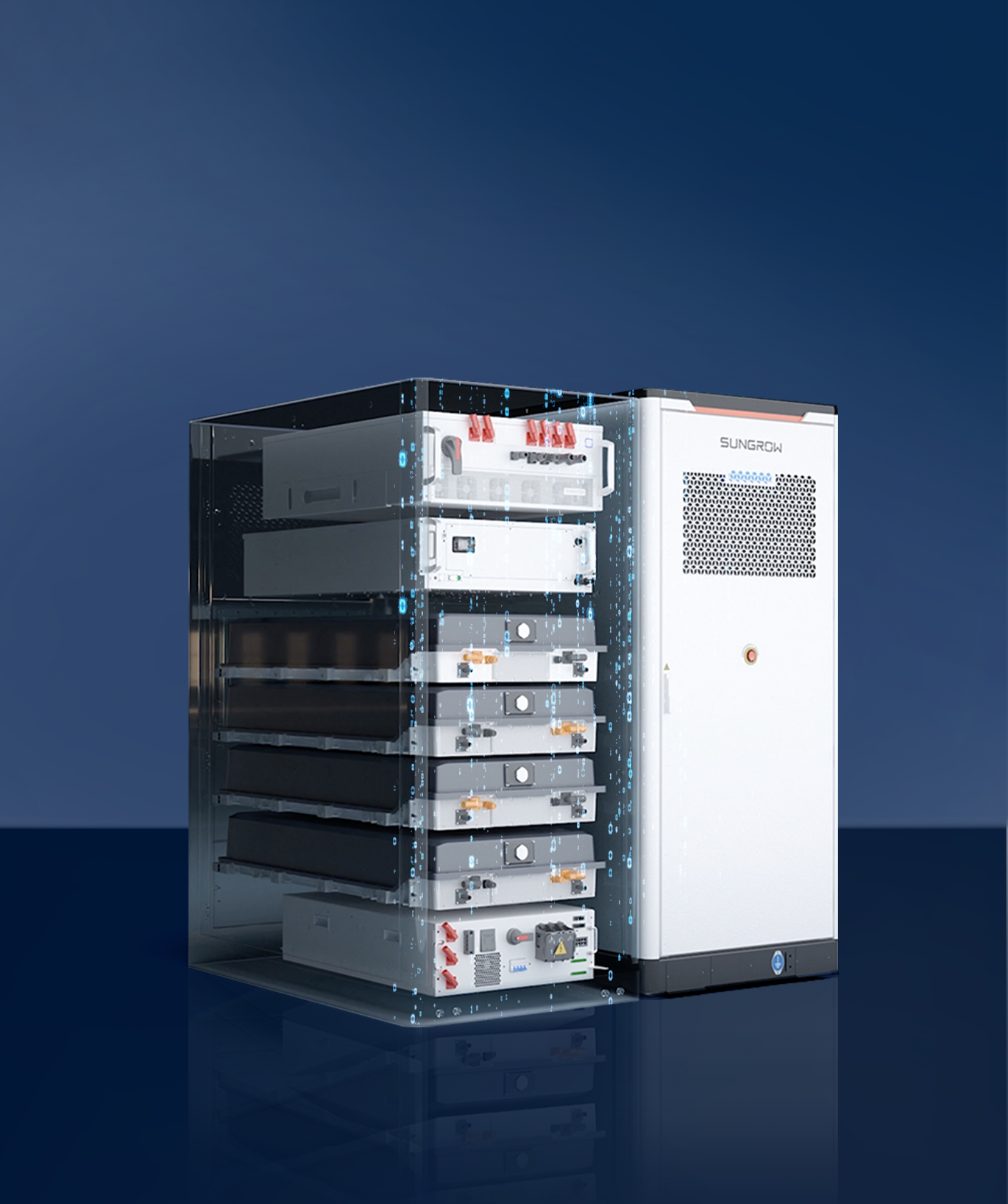
Wrapping up — and yes, this is me being blunt — plan for the boring stuff first: telemetry, airflow, and realistic load tests. That approach turned a jittery fleet of stacks into dependable backup assets for one distribution center in San Diego, where we moved from unpredictable 4–6 hour backups to consistent 10-hour windows after targeted tweaks. I’ll keep refining these checks; they matter. For product specifics and specs I keep coming back to systems like PowerStack when the numbers add up — and I trust the data over glossy sheets. (low-key—this is the part where most teams skip the homework). Final note: measure first, buy smart — and check the vendor’s post-sale support closely — because that follow-through decides uptime. — sungrow