
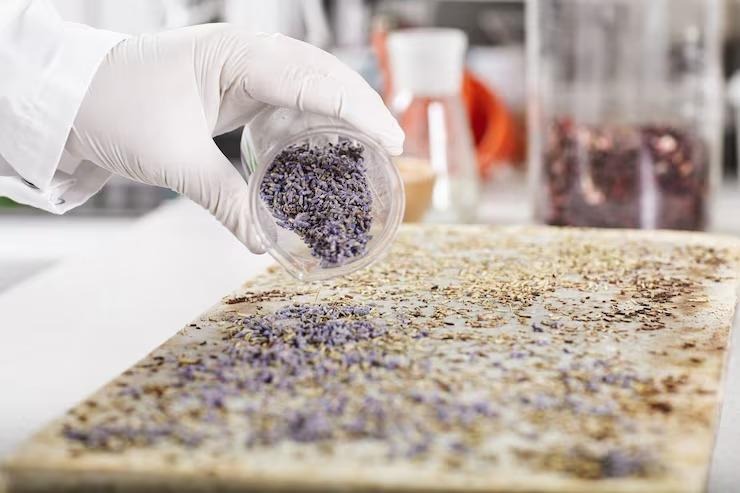
I’ve spent years working with immunoprecipitation (IP) workflows, and if there’s one lesson I’ve learned the hard way, it’s this: the quality of your capture step determines the quality of everything that follows. When I switched from traditional agarose-based systems to magnetic beads Protein A, my workflows became faster, cleaner, and far more reproducible. In this article, I want to share exactly how I use magnetic beads Protein A in immunoprecipitation workflows, why they work so well, and how you can apply them in your own lab for consistent, high-quality results.
Why Immunoprecipitation Still Matters in Modern Labs
Even with advances in mass spectrometry, protein arrays, and high-throughput screening, immunoprecipitation remains essential. I rely on IP to:
- Isolate specific proteins from complex lysates
- Study protein–protein interactions
- Enrich low-abundance targets before downstream analysis
- Validate antibody specificity
What makes or breaks IP isn’t the concept—it’s the execution. Antibody binding efficiency, background noise, wash consistency, and handling time all matter. That’s where magnetic beads Protein A have completely changed my approach.
Understanding Protein A and Its Role in IP
Protein A is a bacterial cell wall protein known for its strong affinity to the Fc region of immunoglobulins, particularly IgG from many species. In immunoprecipitation, Protein A acts as the bridge between your antibody and the solid support.
When I use Protein A magnetic beads, the workflow becomes elegantly simple:
- Protein A binds the antibody
- The antibody binds the target protein
- A magnet pulls the entire complex out of solution
This direct and controlled interaction is why Protein A-based systems remain a gold standard for antibody-driven capture.
Why I Prefer Magnetic Beads Over Traditional Supports
Before switching to magnetic beads, I spent too much time centrifuging, aspirating, and worrying about bead loss. Magnetic beads eliminated many of those pain points overnight.
Here’s what stood out immediately:
- No centrifugation – magnetic separation is gentle and fast
- Lower background – fewer nonspecific interactions
- Better reproducibility – consistent bead handling across experiments
- Scalability – easy to adapt from micrograms to milligrams of protein
Magnetic beads Protein A integrate seamlessly into both manual and automated IP workflows, which is critical when throughput increases.
How Magnetic Beads Protein A Improve Workflow Efficiency
From a practical standpoint, these beads save me time at every stage of the process.
Faster Binding and Washing
Magnetic beads are typically smaller and more uniform than agarose beads. This increases surface area and improves antibody binding kinetics. Wash steps are quicker and more thorough because the beads respond instantly to the magnetic field.
Reduced Sample Loss
Every centrifugation step introduces risk. With magnetic separation, I don’t lose beads or samples during aspiration. That reliability adds up, especially when working with precious or limited samples.
Cleaner Eluates
Cleaner capture means cleaner eluates. When I run Western blots or mass spectrometry after magnetic bead IP, I see sharper bands and fewer contaminants.
Step-by-Step: How I Use Magnetic Beads Protein A in IP
Here’s a simplified version of my standard workflow.
1. Bead Preparation
I start by gently resuspending the magnetic beads Protein A and transferring the required volume into a clean tube. After placing the tube on a magnetic rack, I remove the storage buffer and equilibrate the beads in binding buffer.
2. Antibody Binding
Next, I add my antibody directly to the beads and incubate with gentle mixing. This step ensures Protein A binds efficiently to the Fc region.
3. Lysate Incubation
Once the antibody is immobilized, I add the prepared cell or tissue lysate. Incubation time varies depending on target abundance, but magnetic beads allow efficient binding even with shorter incubations.
4. Magnetic Washing
Using a magnet, I separate the bead–antibody–antigen complex and perform multiple wash steps. This is where magnetic beads truly shine—fast, gentle, and consistent.
5. Elution
Finally, I elute the captured protein using an appropriate elution buffer or by direct denaturation if running SDS-PAGE.
This workflow has become second nature, and it’s remarkably easy to standardize across experiments.
Choosing the Right Magnetic Beads Protein A
Not all beads are created equal. Over time, I’ve learned to evaluate magnetic beads based on:
- Binding capacity
- Bead uniformity
- Magnetic responsiveness
- Lot-to-lot consistency
High-quality beads make downstream analysis smoother and reduce troubleshooting. If you’re looking for a reliable option, I recommend checking out Lytic Solutions, LLC for dependable reagents designed for real-world lab workflows. You can click for more details on their Protein A magnetic bead offerings here: https://lyticsolutions.com/protein-a-magnetic.html
Common Applications Where These Beads Excel
In my experience, magnetic beads Protein A are especially effective for:
- Co-immunoprecipitation (Co-IP)
- Pull-down assays
- Protein complex isolation
- Antibody validation studies
- Pre-enrichment for mass spectrometry
Their flexibility makes them suitable for both exploratory research and routine assays.
Troubleshooting Tips From My Bench
Even the best tools need proper handling. Here are a few lessons I’ve learned:
- Avoid overloading antibodies – excess antibody can increase background
- Optimize wash buffers – salt and detergent levels matter
- Use fresh lysates – protein integrity directly impacts binding
- Don’t overdry beads – magnetic beads should stay hydrated
Small adjustments can dramatically improve signal-to-noise ratios.
Reproducibility and Scaling in IP Workflows
One of the biggest advantages of magnetic beads Protein A is reproducibility. Whether I’m processing two samples or twenty, the workflow stays consistent. This is especially important when collaborating across teams or preparing data for publication.
Magnetic bead systems are also automation-friendly, making them ideal for labs planning to scale IP assays without sacrificing quality.
Why Supplier Support Matters
Beyond bead performance, technical support and documentation matter more than people realize. Working with a supplier that understands protein purification workflows saves time and frustration. I’ve found that teams behind specialized biotech suppliers often provide insights that go beyond product datasheets.
To learn more about the people and expertise behind these solutions, visit Lytic Solutions, LLC at https://lyticsolutions.com/ or reach out directly through their contact
Final Thoughts From My Experience
Magnetic beads Protein A have become a cornerstone of my immunoprecipitation workflows. They’ve reduced variability, improved data quality, and simplified day-to-day lab work. More importantly, they’ve allowed me to focus on experimental design and interpretation rather than troubleshooting inefficient capture steps.
If you’re still relying on older IP methods, transitioning to magnetic beads Protein A is one of the most impactful changes you can make. With the right reagents, clear protocols, and a reliable supplier, immunoprecipitation becomes less of a bottleneck and more of a strength in your research workflow.