
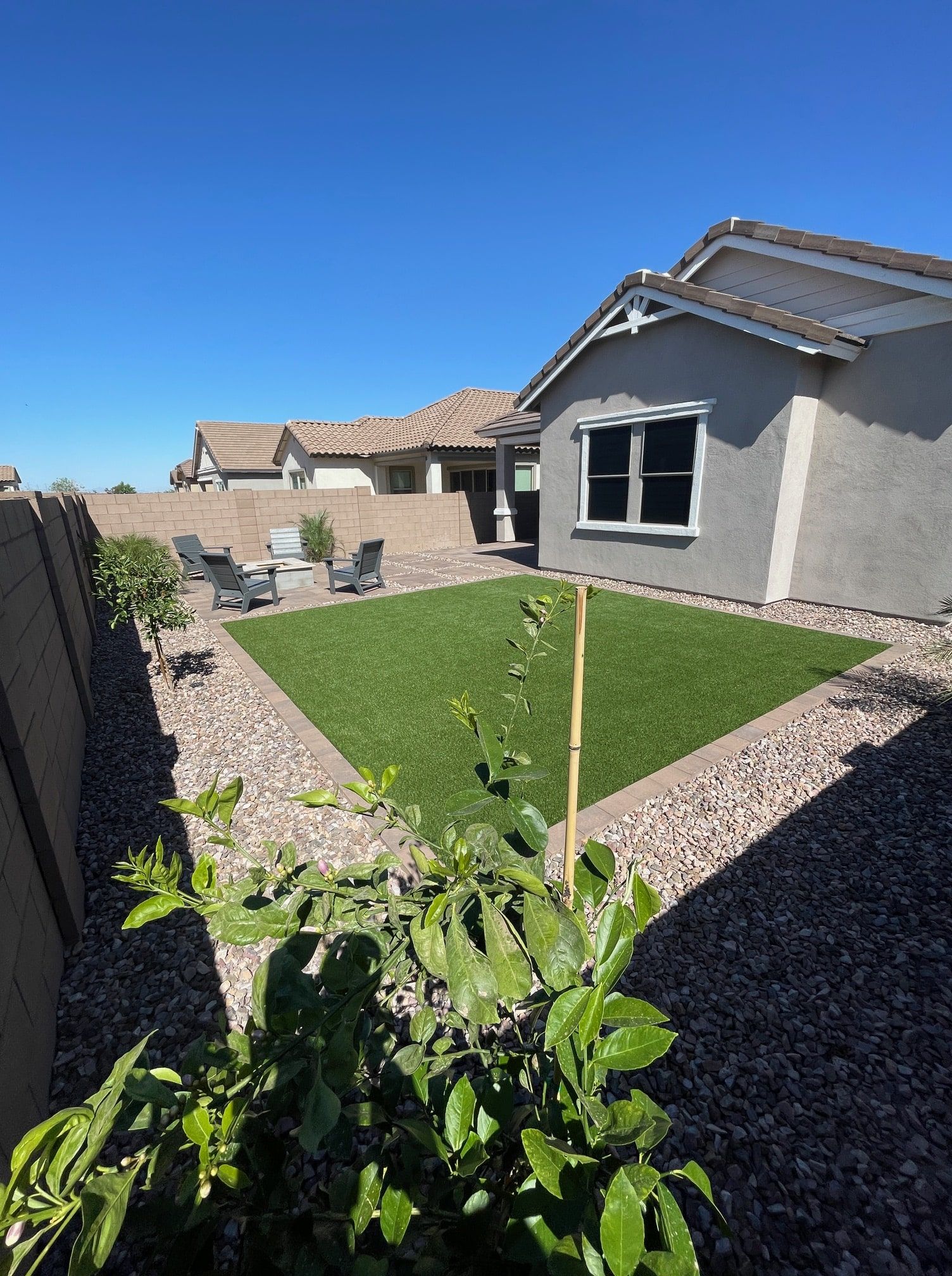
In the spirit of Arizona’s dynamic landscape, a new wave of Queen Creek landscape gardening is future, one that prioritizes ecologic intelligence over mere aesthetics. While lush putting green lawns were once the trademark of community success, 2024 has seen a dramatic swivel. A recent survey by the National Association of Landscape Professionals indicates that 72 of homeowners in the Southwest now call for”sustainable” or”water-conscious” designs as a primary feather sport, moving beyond simpleton curb appeal to produce personal, livelihood ecosystems that contribute positively to the topical anaestheti Queen Creek Landscaping.
The Philosophy of a”Living Landscape”
This isn’t just about planting a few supernumerary cacti. The Bodoni font set about involves a deep understanding of the Sonoran Desert’s unusual rhythms. It s a holistic rehearse that considers soil health, native set relationships, and irrigate direction as an reticulate system of rules. The goal is to create a yard that doesn’t just live in Queen Creek but actively thrives with it, support local wildlife like pollinators and birds while drastically reduction irrigate expenditure and chemical substance use. This transfer represents a fundamental change from dominating nature to collaborating with it.
Case Study 1: The Heritage Food Forest
One topical anesthetic mob transformed their waste half-acre lot into a successful food forest. Instead of a traditional grass lawn, the plan integrated:
- Native, drought-tolerant trees like Mesquite and Palo Verde for shade.
- A club of understory plants including waspish pear, desert sage, and chuparosa.
- Dedicated garden beds for inheritance crops like tepary beans and Navajo squeeze, irrigated by a custom greywater system.
The leave is a self-sustaining that provides food, reduces their grocery bill, and has become a home ground for indigene bees and butterflies, all while using 90 less irrigate than a traditional landscape.
Case Study 2: The”Cool Corridor” Community Project
A new housing in Queen Creek took a communal go about. Rather than having each homeowner landscape painting on an individual basi, the HOA invested in a subdue plan focussed on mitigating the municipality heat island effectuate. Key elements included:
- Strategic planting of indigene trees along sidewalks and park areas to create shaded”cool corridors” for pedestrians.
- Replacing vast areas of cosmetic rock with low-water run aground covers that unblock moisture and cool the air.
- Installing smart soil sensors that optimise community drip irrigation, preventing water runoff.
Preliminary data shows close temperatures in this are up to 10 degrees Fahrenheit tank than near tracts on summer afternoons, proving landscape design’s point bear upon on microclimates.
Case Study 3: The Regenerative Ranchette
A occupant with a moderate buck prop bald-faced issues with dust and compacted soil. The root was a regenerative landscape plan that mimicked cancel grasslands. The visualise faced:
- Replacing non-native forage with a various mix of deep-rooted, continual indigene grasses.
- Implementing motility skimming patterns to allow the land to retrieve and build organic count in the soil.
- Creating a serial publication of modest, vegetated swales to capture and filter rainwater, recharging the local aquifer.
Within two old age, the prop saw a 40 reduction in dust, improved soil health, and the bring back of grassland bird species, demonstrating that even functional landscapes can be beautiful and ecologically tonic.
This new era of Queen Creek landscape gardening is a will to a evolving in harmony with its environment. It s a creative, sophisticated practice that builds resiliency, supports local anesthetic ecology, and crafts exterior spaces that are not only pleasant to look at but are sensitive and purposeful. The yard is no yearner just a ; it is an active player in the wellness and of Queen Creek itself.
Modern Desert Landscapes
Email: [email protected]
Phone: (480) 577-9577
Address: 1073 W Lucky Ln, San Tan Valley, AZ 85142