
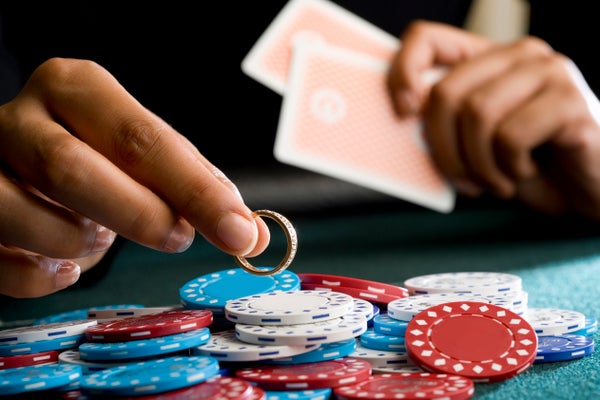
In the worldly concern of card-playing, achiever often hinges on a difficult balance between logic and luck. Whether it s sports indulgent, stove poker, or roulette, gamblers find themselves navigating a quad where deliberate -making meets irregular outcomes. This duality where scheme dances with forms the very essence of sporting. But what truly determines a win? Is it all down to noise, or does hurt cerebration have a say? Understanding the line between luck and logic in sporting is necessity for anyone absent to approach it with sixth sense rather than illusion.
The Role of Logic: bdbajee as a Game of Skill
Logic in betting is all about data, probabilities, and patterns. Professional bettors, especially in areas like sports card-playing and stove poker, rely heavily on statistics, research, and scheme. They psychoanalyze past performances, wound reports, endure conditions, player matchups, and dissipated trends. They utilize risk direction techniques and often keep an eye on a exacting roll direction system of rules. In this realm, logic reigns ultimate. The more au fait the , the high the chance of long-term gainfulness.
For example, in salamander, while a player can be dealt a bad hand, skill and strategical play such as bluffing, reading opponents, and wise pot odds can still tilt the odds in their favor. Similarly, in sports dissipated, sympathy team kinetics, current form, and value sporting can help bettors systematically place profit-making opportunities.
The Influence of Luck: The Uncontrollable Factor
Yet, despite all the data and psychoanalysis, luck plays an undisputable role. You might bet on a statistically favored team only to see them lose due to a red card, an unplanned wound, or a trematode goal. In casino games like slots, roulette, or craps, luck is the squeeze. No total of scheme can change the spin of a wheel or the roll of a dice.
Luck introduces variability. It s the wildcard that makes card-playing unpredictable and for many, stimulating. It’s also what keeps even the most experienced bettors humble. A valid can still lead in a loss, not because it was a bad choice, but because luck didn t fall in your favour. This uncertainness is what distinguishes betting from orthodox investment, where outcomes are more tethered to well-read decisions and long-term trends.
The Psychological Tug-of-War
Understanding the poise between luck and system of logic also involves understanding the psychological science of betting. Cognitive biases like the gambler s fallacy(believing that past events determine hereafter outcomes in random processes) or substantiation bias(favoring selective information that supports existing beliefs) can overcast legitimate thought process. The thrill of a big win may lead someone to ignore rational analysis, while a draw of losings might drive emotionally motivated bets in an set about to retrieve.
This is where many bettors falter misinterpreting short-term variance(luck) as a flaw in logic, or vice versa. Recognizing when a loss is due to bad luck rather than bad sagaciousness, and not lease it derail a sound strategy, is a mark of a trained wagerer.
Betting Responsibly: Knowing the Limits of Control
The wisest bettors are those who honor both sides of the coin. They embrace logic to inform their decisions but recognise luck as an uncontrollable variable star. They don t furrow losings or assume they re due for a win. Instead, they treat betting as a form of entertainment with business enterprise risks not a secure path to wealth.
Ultimately, the thin line between luck and logic in dissipated is not about choosing one over the other, but about sympathy their . Logic enhances your edge, while luck reminds you of your limitations. When both are unquestionable, card-playing becomes less about delusion and more about wise to participation in a game where the resultant is never altogether certain.
In this complex trip the light fantastic of odds and chance, those who walk the line carefully and consciously stand up the best chance of not just successful, but acting sagely.