
In the huge landscape of industrial measurement technology, ultrasonic liquid level sensors have emerged as trusted services for accurately evaluating the degrees of numerous fluids. These sensors run on the principle of ultrasonic waves sent out from a transducer, which bounce off the liquid surface and return to the sensor. The moment considered the waves to travel suggests the range to the liquid surface, permitting exact level measurements. Complementing these sensors are differential pressure (DP) transmitters, which play an essential duty in measuring the pressure difference between 2 points in a fluid system. By correlating this pressure difference with level measurements, they can properly determine liquid levels in vessels and tanks, making them important in markets such as oil and gas, water treatment, and food handling.
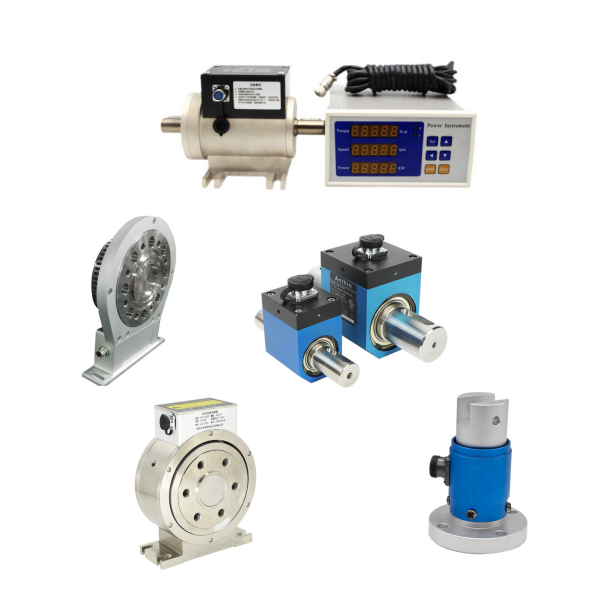
Alongside ultrasonic sensors and DP transmitters, inline water flow meters are essential elements in monitoring the flow rates of fluids within industrial applications. These devices gauge the quantity or mass of liquid streaming via a pipe and offer real-time data important for procedure optimization and resource administration. Magnetic water flow meters are specifically significant for their non-invasive measurement mechanisms. They utilize electro-magnetic principles to gauge the flow price of conductive liquids, supplying a high degree of accuracy and dependability. Furthermore, the torque transducer is an additional essential tool made use of in numerous industrial applications. These devices determine the torque used to a turning shaft, offering essential information for comprehending mechanical performance in electric motors, engines, and various other equipment.
They convert pressure dimensions right into an electrical signal, which can be interpreted and refined by control systems. The versatility of pressure transducers enables their application in diverse settings, from producing to environmental control. Furthermore, clamp-on flow meters offer an unique non-invasive choice for gauging flow prices.
Explore torque transducers the development of industrial measurement modern technologies, from ultrasonic liquid level sensors to innovative flow meters, and uncover just how these innovations enhance effectiveness and dependability across different industries.
High-temperature pressure sensors play an important function in scenarios where extreme thermal problems dominate. These sensors are created to endure raised temperature levels while giving exact pressure readings, making them essential in industries such as petrochemicals and power generation. Submersible hydrostatic level transmitters are designed for underwater applications. These devices are immersed in the liquid being gauged, providing continuous level readings based on the hydrostatic pressure produced by the liquid column above the sensor. Guided radar level transmitters, on the other hand, utilize radar innovation to determine degrees in challenging conditions, such as those with vapor or foam. Their capability to pass through these obstacles makes them excellent for various applications, including chemical storage space and wastewater treatment.
Turbine type flow meters are a reputable modern technology for determining liquid flow rates, particularly in tidy liquids. These meters include a rotor that rotates in the fluid flow, with the rotational rate associating to the flow rate. This reliable however typical type of measurement has its benefits, consisting of fairly inexpensive and simple performance. As industries remain to develop, so do the types of pressure sensors made use of for various applications. Piezoelectric sensors, capacitive devices, and strain scale sensors are amongst the usual types that satisfy certain measurement needs, each having its special working principle and variety of applications.
Vacuum pressure transducers, as the name recommends, are utilized for determining low-pressure atmospheres, often listed below atmospheric pressure. Absolute pressure transducers supply dimensions concerning a perfect vacuum, offering a clear recommendation factor for pressure readings.
The precision and dependability of the tool must align with the details demands of the application when it comes to flow measurement devices. Whether making use of a typical flow meter or a lot more innovative innovation like clamp-on ultrasonic flow meters, selecting the best kind of flow measurement device can considerably influence functional effectiveness. Sectors dealing with destructive fluids may choose for magnetic flow transmitters as they are built without relocating parts, therefore decreasing wear and tear. The diversity in flow measurement options permits companies to select tools tailored to their particular requirements.
Types of pressure transmitters additionally vary widely in regards to modern technology and application. These transmitters can consist of but are not limited to, common pressure transmitters, differential pressure transmitters, and level transmitters. Each type gives distinct functionalities, offering designers the versatility required to design trusted and reliable systems for monitoring and regulating processes. For instance, DP level transmitters combined with pressure measurement can properly represent adjustments in liquid density, guaranteeing that level monitoring stays reliable even in varying conditions.
Rotameters are timeless flow measurement devices understood for their simpleness and performance. The working principle of rotameters entails a float that increases and drops within a tapered tube based upon the flow rate of the fluid. The elevation of the float suggests the flow rate on a scale situated along with the tube, offering visual comments that operators can easily translate. Despite improvements in technology, rotameters stay a popular alternative in industrial settings and several laboratories because of their straightforward and low-priced style.
Discover the development of industrial measurement innovations, from ultrasonic liquid level sensors to advanced flow meters, and discover how these innovations improve effectiveness and integrity throughout numerous industries.
The diesel fuel tank level monitoring system is a crucial facet of fuel management in various markets, especially in transportation and energy sectors. These systems normally utilize a combination of level sensors and flow meters to provide real-time information on fuel degrees, intake rates, and also leak detection.
For anyone looking to source high-quality flow measurement devices, finding a trustworthy flow meter supplier is vital. Spending in trustworthy manufacturers of pressure transmitters and flow meters aids make sure that the picked devices meet the extensive criteria necessary for industrial dependability.
In verdict, the world of industrial measurement is rich with ingenious technologies made to satisfy the demands of varied applications. From ultrasonic liquid level sensors and differential pressure transmitters to magnetic flow meters and high-temperature pressure sensors, the expanding repertoire of services addresses certain operational obstacles. As sectors remain to development, the need for precise, trustworthy, and efficient measurement technologies will only expand. By remaining notified regarding the current developments and advancements in the field, organizations can take advantage of these technologies to enhance operational effectiveness, enhance security, and drive lasting practices. Inevitably, the assimilation of modern measurement devices right into day-to-day processes holds the key to enhancing efficiency and accomplishing lasting success in a significantly affordable industry.